





Do your plants ever wilt and develop powdery mildew on leaves and stems? It's most likely the symptoms of fungal diseases. Fungal infections appear as spots and root rot too. These infections affect the root, stem, and leaves of the plants. When you buy plants online Dubai, try to buy healthy ones.
Fungal infection is very prevalent in houseplants and it is also very dangerous. The right treatment should be given to prevent this. Let's see how to treat fungal infections and reduce the damage caused by them.
What causes fungal infections in houseplants?
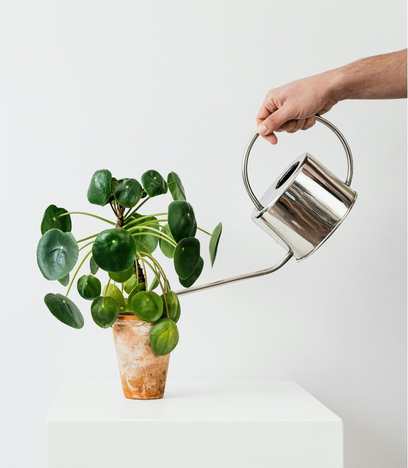
There are several factors that cause fungal infections in house plants. The primary cause, however, is through overwatering. This leads to a reduction in oxygen in the roots. Consequently, the roots die due to the decay caused by the absence of oxygen. The conditions initiated by the absence of air circulation lead to the accumulation of water in the leaves and soil. This prevents drying and promotes fungal growth.
A high degree of humidity in the atmosphere is an ideal place for the growth of fungus. The pots, soils, and gardening tools that were soiled with fungus can act as vectors if they are not cleaned. Infected soil which contains root exudates creates a welcome environment for fungus.
Common signs of fungal infection
When you buy plants online Dubai, look out for these signs.
-
White, grey, or powdery spots on leaves indicate the growth of powdery fungus on the surface of leaves.
-
Yellowing or browning leaves signify lack of nutrients which significantly leads to their death.
-
Black spots are fungal growths that affect leaves.
-
Mushy stems come from rot. This weakens the root and stem systems because of the decay.
-
High moisture promotes the development of molds on the surface of the soil.
-
Plants shed leaves as a survival method against infection.
Types of common fungal issues in houseplants
These are some fungal infections in houseplants that you should know about.
-
Powdery mildew: It appears as a white powdery patch that affects the leaves and stems.
-
Root rot: Root rot disease occurs due to water-logged conditions that make the roots turn black, mushy, and soft.
-
Leaf spot: This disease is characterized by dark spots on the leaves and subsequent leaf fall.
-
Sooty mold: It is a black spot on leaves due to infections by pests.
Step-by-step treatment methods
You can treat fungus on houseplants by using the following methods. When the plants become infected, the first measure is to quarantine the plant to prevent the infection from spreading to the other plants.
Identifying the affected part comes next. After identification, cut them out with any tools.
Afterward, move the plant to an area which gets sufficient sunlight. This promotes good airflow. Check whether the soil is dry and water accordingly. Overwatering causes fungal growth.
Applying fungicides like neem oil, baking soda spray, or commercial fungicides will help control the growth of fungal organisms to some extent. Neem oil can be applied once every 10-14 days to avoid being infected by fungus. Baking soda spray can be applied once every 7-10 days for fungal problems. Use store-bought fungicides as per the instructions.
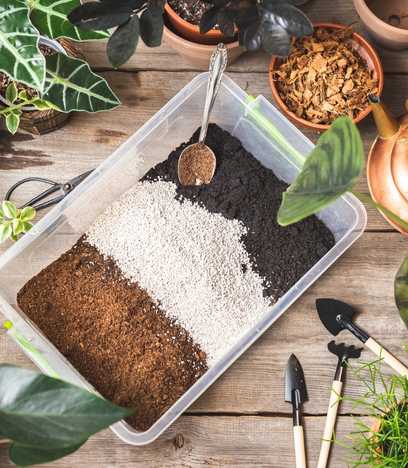
If necessary, repot the plant. Grab a new pot and re-plant the plant using new soil if a fresh start is what you seek. Never forget to use clean tools when handling soil.
Home remedies that work
You can also treat fungus on houseplants with natural remedies.
-
Neem oil, water, and a mild soap solution when mixed together can be sprayed on the plant leaves as a preventive measure.
-
Sprinkling cinnamon powder on the infected soil and infected parts of the plant would help prevent the spread of the infection because of the antifungal properties.
-
Baking soda can also be mixed with water to spray on leaves affected by mild fungal infections.
-
The addition of a light hydrogen peroxide solution helps in enhancing air movement and inhibiting the growth of the bacteria.
How to prevent fungal infections in the future?
If you order housewarming gift plants online Dubai, follow these tips to prevent fungal infections in the future.
-
Water only when necessary. Never overwater. Water only after soil inspection.
-
Place plants in open areas to receive good air flow. Proper air flow means dry leaves without moisture content.
-
The pots and tools should always be cleaned prior to reuse to prevent the spread of infections.
-
Try not to overcrowd the plants so that there is proper air circulation between them.
-
Keep plants in a region where there will be ample sunlight since fungi cannot thrive in sunlight.
-
Ensure that the soil is fresh and free from infection while buying or using it.
-
Try the bottom watering method so that the topsoil remains dry and reduces the growth of fungi.
The blog has discussed how to treat fungal infections. They occur quite often in plants, and if you take proper steps, you can easily treat and prevent them. Following the tips provided in this blog, you can identify fungus in your plants right from the start and prevent them. It is a good idea to maintain a routine in caring for your plants in order to keep them safe.
Adplants is a plant shop in UAE and deals with all types of indoor and outdoor plants. In addition, our services include plant rental, landscaping/garden maintenance, and interior scaping. Contact us for your plant-related needs.